


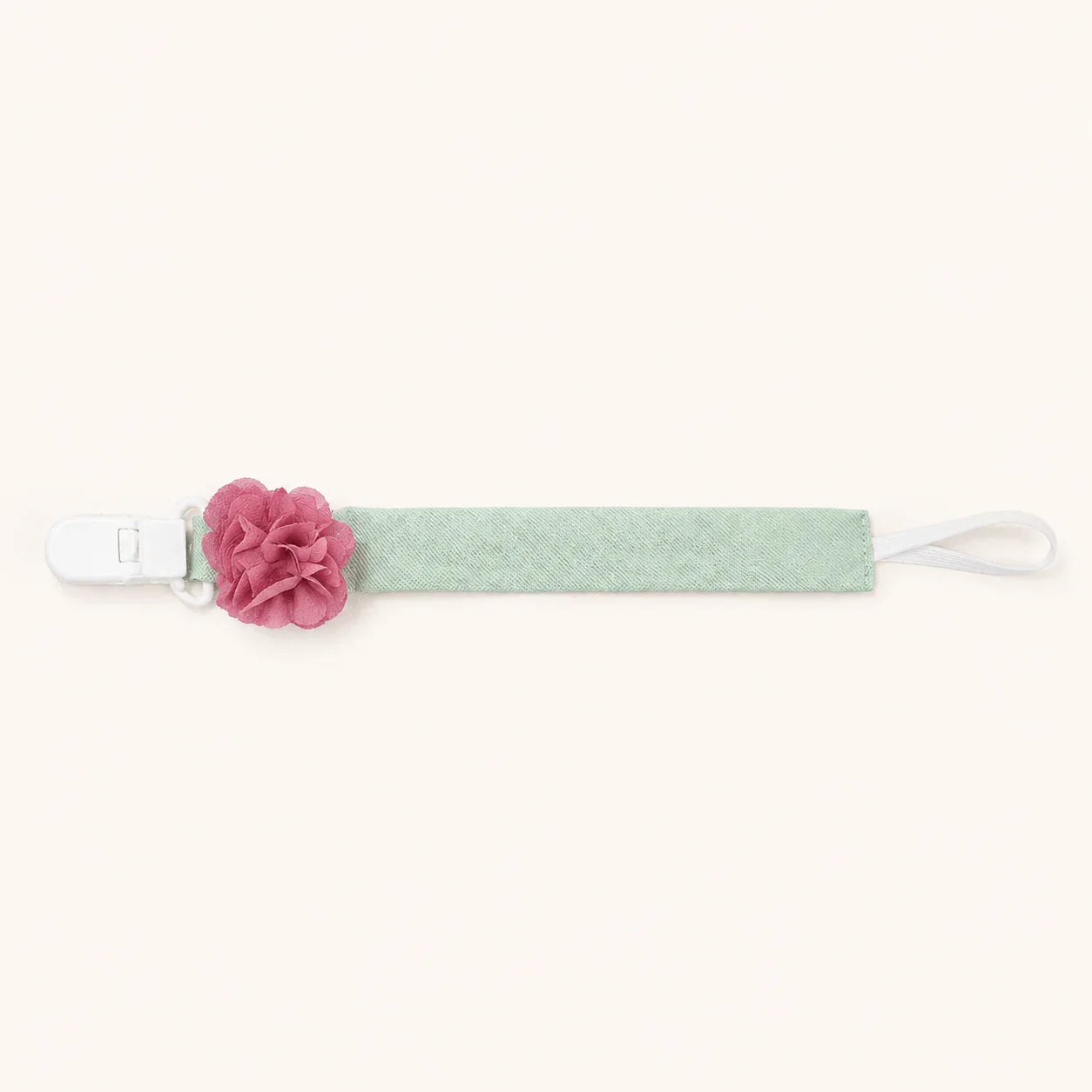
Pink/Green Garden Pacifier Holder
Pink/Green Garden Pacifier Holder
Couldn't load pickup availability
 Quality Assurance
 Free Returns/Exchanges
 Free Shipping PT


Size Guide:
Size Guide:
Baby measurements - How do I know?
Baby measurements have been rigorously tested for over 20 years!
We will help you choose the right size for your baby!
Our sizes correspond to the following baby months:
-
00M - Baby over 45 cm
-
0M - Baby over 50 cm
-
1M - Baby over 54 cm
-
3M - Baby over 57 cm
-
6M - Baby over 63 cm
-
9M - Baby over 68 cm
-
12M - Baby over 75 cm
-
18M - Baby over 81 cm
-
24M - Baby over 87 cm
Length of Bodysuits:
-
00M - 31 cm
-
0M - 33 cm
-
1M - 35 cm
-
3M - 37 cm
-
6M - 40 cm
-
9M - 42 cm
-
12M - 44 cm
-
18M - 47 cm
-
24M - 51 cm
Length of Underpants:
00M - 27 cm, 0M - 29 cm, 1M - 31 cm, 3M - 34 cm, 6M - 38 cm
Length of Babygrows:
-
00M - ±42 cm
-
0M - ±45 cm
-
1M - ±48 cm
-
3M - ±53 cm
-
6M - ±58 cm
-
9M - ±60 cm
-
12M - ±62 cm
Length/Width of Collar Sweaters:
-
12M - 34 cm / 27 cm
-
18M - 36 cm / 28 cm
-
24M - 39 cm / 30 cm
-
36M - 41 cm / 31 cm
-
48M - 44 cm / 32 cm
Age/Head Circumference - Hats:
- 1/3M - 34 cm - 42 cm
- 3/6M - 38 cm / 45 cm
- 6/12M - 40 cm / 49 cm
- 12/24M - 42 cm / 53 cm
- 24/36M - 44 cm / 55 cm
Even so, if you have any questions, contact us via WhatsApp.
Instruções de Lavagem:
Instruções de Lavagem:
Washing Baby Clothes:
Washing baby clothes requires special attention to ensure they are clean, safe, and comfortable for your child!
-
Use gentle detergent: Choose a mild, hypoallergenic liquid detergent or neutral soap and do not use fabric softeners;
-
Separate the clothes: Wash your baby’s clothes separately from the rest of the family’s laundry;
-
Choose a delicate cycle: Use the delicate or sensitive clothes setting on your washing machine. These cycles are gentler and reduce friction and excessive wear on the clothes.
-
Wash items separately: Items like bedding, cloth diapers, and towels should be washed separately to avoid cross-contamination.
-
Check washing instructions: Always check the washing instructions on the clothing labels to ensure you are following the correct guidelines.
Velvets and Cottons:
Washing cycle up to 40°
The ideal temperature for most baby clothes is around 30°C to 40°C, as warm water effectively removes dirt and stains without being too harsh on the clothes.
You can also choose to hand wash. Soak the clothes in a basin of warm water!
Do not use bleach
Do not use bleach or fabric softeners. These leave residues on the items that can cause skin allergies in your baby!
Do not use a tumble dryer
All padded items—duvets, mattress protectors, blankets, etc.—should not be put in the tumble dryer. However, for velvets, the pieces become fluffier if you lightly iron them when they are almost dry.
Maximum iron temperature 150°C
Cottons are resistant to heat. If the item has padding, do not press the iron down; just lightly pass over the fabric.
Also see the article about care for Duvets and Mattress Protectors.
Remember that your baby is unique and may have different care needs. If you have any questions about washing baby clothes, talk to us here!
Washing baby clothes is a challenge!
Pacifier Holder
The pacifier holder helps prevent the baby from dropping the pacifier and losing it, or from it getting dirty.
-
Holder strap in Oxford Green 100% Cotton.
-
Decorated with an Old Rose Organza Flower.
-
The clasp is white plastic, certified and machine washable.
* The pacifier clip can only be up to 22 cm in length (measurement without the clip) according to European standards.
Before buying, read our article about the dangers of choosing the wrong one HERE!
Choose the best for your baby, because every detail makes a difference.
Talk to us HERE.

Important to know: